
FxPro Raw+ Live Spreads — Measured, Not Advertised | Philippines 2026
Real spreads we recorded on FxPro’s own MetaTrader 5 Raw+ feed — 6 instruments, 3,714,831 ticks sampled, last captured 2026-09-16. The spread you actually trade on, not a marketing ‘from 0.0’.
Open FxPro Account →Four of the five items that drain a first funded month are settled the moment you click. The fifth is settled by when you clicked, and it is the only one that never arrives as a charge at all: the same order, at the same size, at a different hour, is simply a different price. Our measured Raw+ feed holds EUR/USD near its tightest reading through the working day and then widens it around the 00:00 server rollover, where the average sits well above the median and the worst single tick of the day is wider again. The all-in column below prices the median hour, not every hour, and the difference between the two is paid by whoever happens to trade at the wrong one. The only trace this item leaves behind is the timestamp on the order, which is why the shape of the day is worth reading in week one rather than week four.
This is the live, hour-by-hour measured spread feed (refreshed daily). For the Standard vs Raw+ cost comparison and fees, see our spreads & costs page.
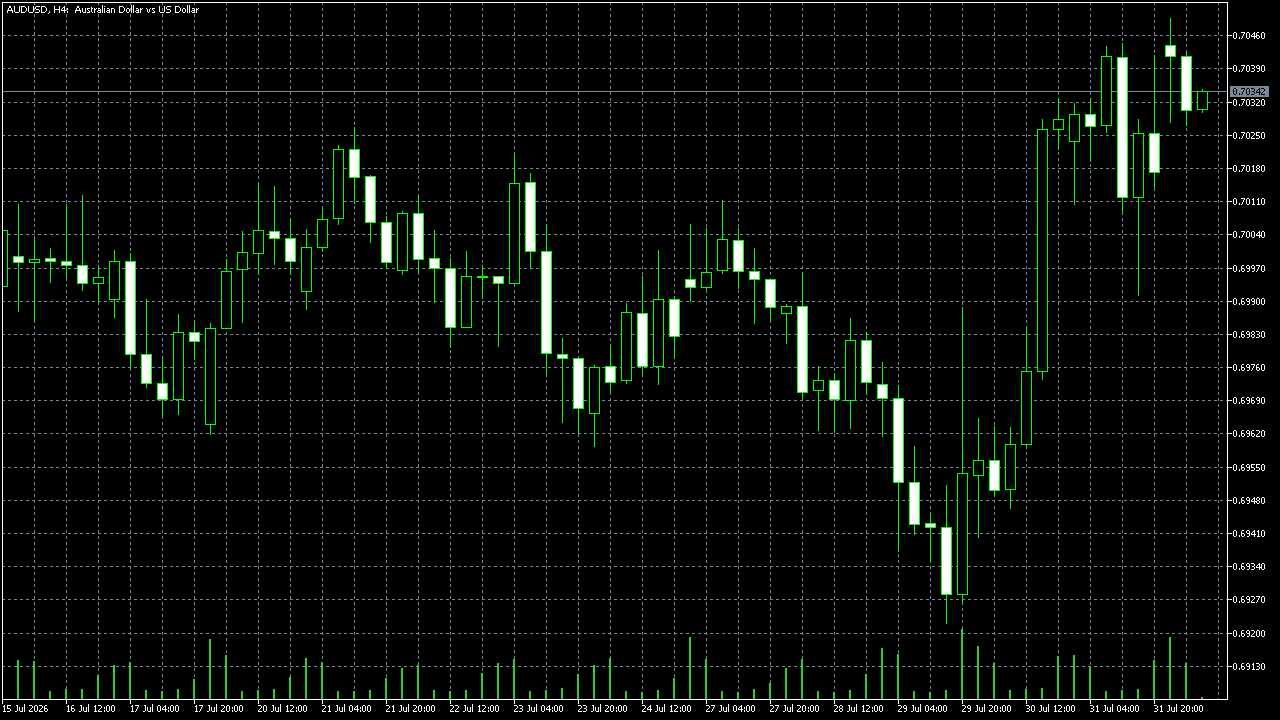
Measured Raw+ spreads (pips)
| Instrument | Best (min) | Typical (median) | Busy market (p90) | At capture | Ticks sampled |
|---|---|---|---|---|---|
| EUR/USD | 0.1 | 0.2 | 0.2 | 0.2 | 457,098 |
| GBP/USD | 0.6 | 0.6 | 0.6 | 0.6 | 590,492 |
| AUD/USD | 0.2 | 0.4 | 0.8 | 0.4 | 511,715 |
| USD/CAD | 0.1 | 0.4 | 0.5 | 0.4 | 465,429 |
| USD/JPY | 0.3 | 0.3 | 0.5 | 0.3 | 717,421 |
| XAU/USD (Gold) | 15 | 15 | 19 | 15 | 972,676 |
Best = the tightest quiet-market quote we saw; Typical = the median you usually trade; Busy market = the wider spread to expect about 10% of the time (news, rollover, thin liquidity). ‘At capture’ is the live spread at the last reading. Metals such as XAU/USD use a different contract size, so their cash cost is on our gold page. Server FxPro-MT5 Demo, feed 2026.09.15 14:10:41.
Spread through the trading day (measured, last 24h)
| Instrument | Tightest (avg) | Widest (avg) | Worst spike | Through the day |
|---|---|---|---|---|
| EUR/USD | 0.2 (03:00) | 1.782 (00:00) | 9.5 (00:00) | |
| GBP/USD | 0.6 (03:00) | 3.627 (00:00) | 15 (23:00) | |
| AUD/USD | 0.292 (14:00) | 3.98 (00:00) | 25 (23:00) | |
| USD/CAD | 0.292 (09:00) | 2.318 (00:00) | 13.6 (23:00) | |
| USD/JPY | 0.3 (09:00) | 7.082 (00:00) | 16 (23:00) | |
| XAU/USD (Gold) | 15 (09:00) | 75.421 (00:00) | 175 (00:00) |
Table hours are FxPro server time (about UTC+3 / EET); the highlighted guidance above is shown in PHT. Average pip spread by hour over the last 24 hours, with the worst single-tick spike. Spreads run tightest in the peak London–New York overlap and widen around the 00:00 server rollover and the thinner Asian hours — the sparkline is each instrument’s daily shape.
What it costs you per lot (Raw+)
| Instrument | Typical spread | Spread cost / lot | Commission (round turn) | All-in / lot | All-in (pips) |
|---|---|---|---|---|---|
| EUR/USD | 0.2 pips | $2.00 | $7.00 | $9.00 | 0.9 pips |
| GBP/USD | 0.6 pips | $6.00 | $7.00 | $13.00 | 1.3 pips |
| AUD/USD | 0.4 pips | $4.00 | $7.00 | $11.00 | 1.1 pips |
| USD/CAD | 0.4 pips | $2.87 | $7.00 | $9.87 | 1.37 pips |
| USD/JPY | 0.3 pips | $1.94 | $7.00 | $8.94 | 1.38 pips |
| XAU/USD (Gold) | 15 pips | $15.00 | $7.00 | $22.00 | 22 pips |
All-in round-turn cost for one standard lot (100,000 units): typical spread × pip value, plus the $7 Raw+ commission ($3.50 per lot per side ($7.00 round turn) on Raw+ and cTrader accounts). On a Standard account you pay a wider spread instead of that commission — see the full spreads and costs page.
Open FxPro Account →Advertised ‘from 0.0’ vs what we measured
FxPro markets Raw+ as spreads ‘from 0.0 pips’ — a best-case floor. Across our sample the tightest EUR/USD quote we recorded was 0.1 pips and the typical was 0.2 pips. That is normal: the ‘from’ figure is a floor you rarely trade on, so judge a Raw+ account by its typical spread and how far it widens under load (the p90 column), not the headline number.
How we measured this
- Recorded on FxPro's own MetaTrader 5 Raw+ account — the broker's real pricing feed, not a third-party estimate.
- Captured in-terminal by an MQL5 expert advisor that logs every tick's bid and ask, so the spread is exactly what the platform shows.
- 3,714,831 ticks across 6 instruments; the figures refresh on a schedule.
- Demo and live Raw+ share the same pricing feed, so these spreads are representative of a funded account.
Spreads are variable and widen around high-impact news and the daily rollover. Past readings do not guarantee future spreads. Last updated 2026-09-16.
The cost that never arrives as a charge
A first funded month is made of five costs, and this page is about the one with nothing to show for itself. The spread and the commission are set by the account, the overnight swap by how long you hold, the fill difference by the instant of execution — but the hour you traded produces no charge, no figure and no moment when the balance changes. It only makes the first of those five bigger or smaller.
That is what makes it easy to miss for four weeks running. Nothing looks wrong: every trade shows the spread it was charged, and the pile is simply heavier than the median suggests. The recognition sign is not in the money at all — it is in the timestamps.
Where it ranks for a beginner
For someone trading majors a couple of times a session inside the busy hours, this item sits near the bottom of the five: the median spread is what they actually pay, and our readings show it steady. For someone whose free time happens to fall around the daily rollover it can pass both the spread baseline and the commission, because that is where the widening lives.
So the practical use of the table above is scheduling rather than curiosity. Read the shape once, decide which hours the month's trades will happen in, and the fifth item stops mattering. The other four are priced on our spreads and costs, Raw+ account and swap rates pages.
The one item you settle with a calendar, not a calculator
Three of the five first-month costs are arithmetic: multiply the per-lot figure by the lots. The overnight charge is a decision — you either leave positions open or you do not. This one is neither. It is settled by choosing the hours in which the month's trading will actually happen, and by nothing else.
That makes it the cheapest of the five to fix and the easiest to ignore, because ignoring it costs nothing visible on any single trade. The readings above exist so the choice can be made once, in week one, instead of being discovered across four weeks of entries.
The same EUR/USD order at three different hours
| When the order lands | What our feed showed | What it does to the entry cost |
|---|---|---|
| A quiet median hour | The day's median reading | The baseline every cost table on this site uses |
| Around the 00:00 server rollover | Several times the median, on average | Several times the baseline, on an identical order |
| The worst single tick we recorded there | The widest single tick we recorded | A one-off, but it lands inside the same order |
Same instrument, same size, same account — only the hour changes. Nothing is charged separately for it, so the order timestamp is the only trace it leaves.